Cleansing Ritual
Photography, Art Direction & Story: Abayomi Shogbade, Models: Olushola Ogunremi (@shawn_dee22), Yusuf A. Ayomide - @emkay_0007, Mabogunje Gloria - @thattallgloria, Chuks Excellent - @dee__girll, Stylist: Omolabake Temetan - @thestylentity
Cleansing Ritual
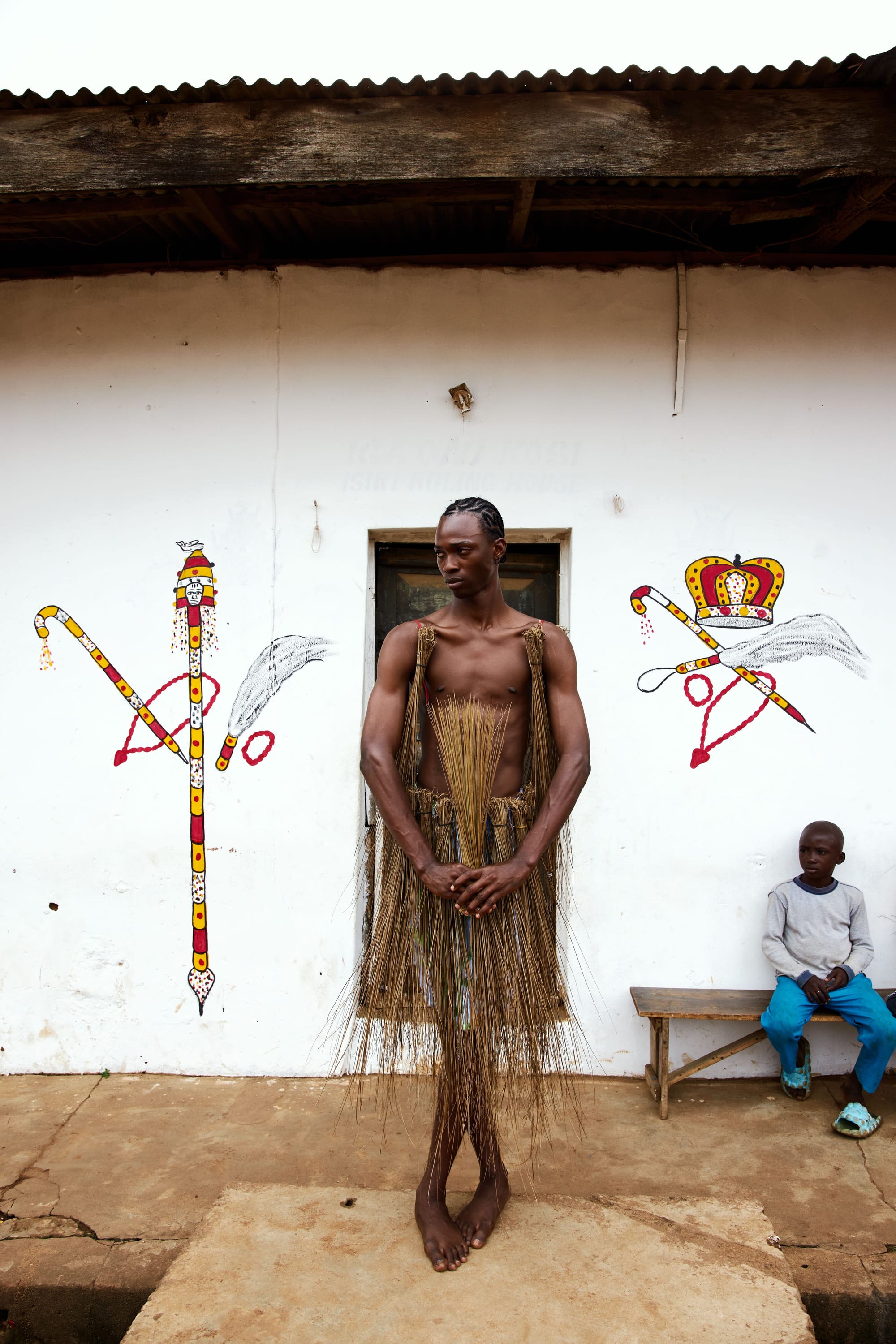
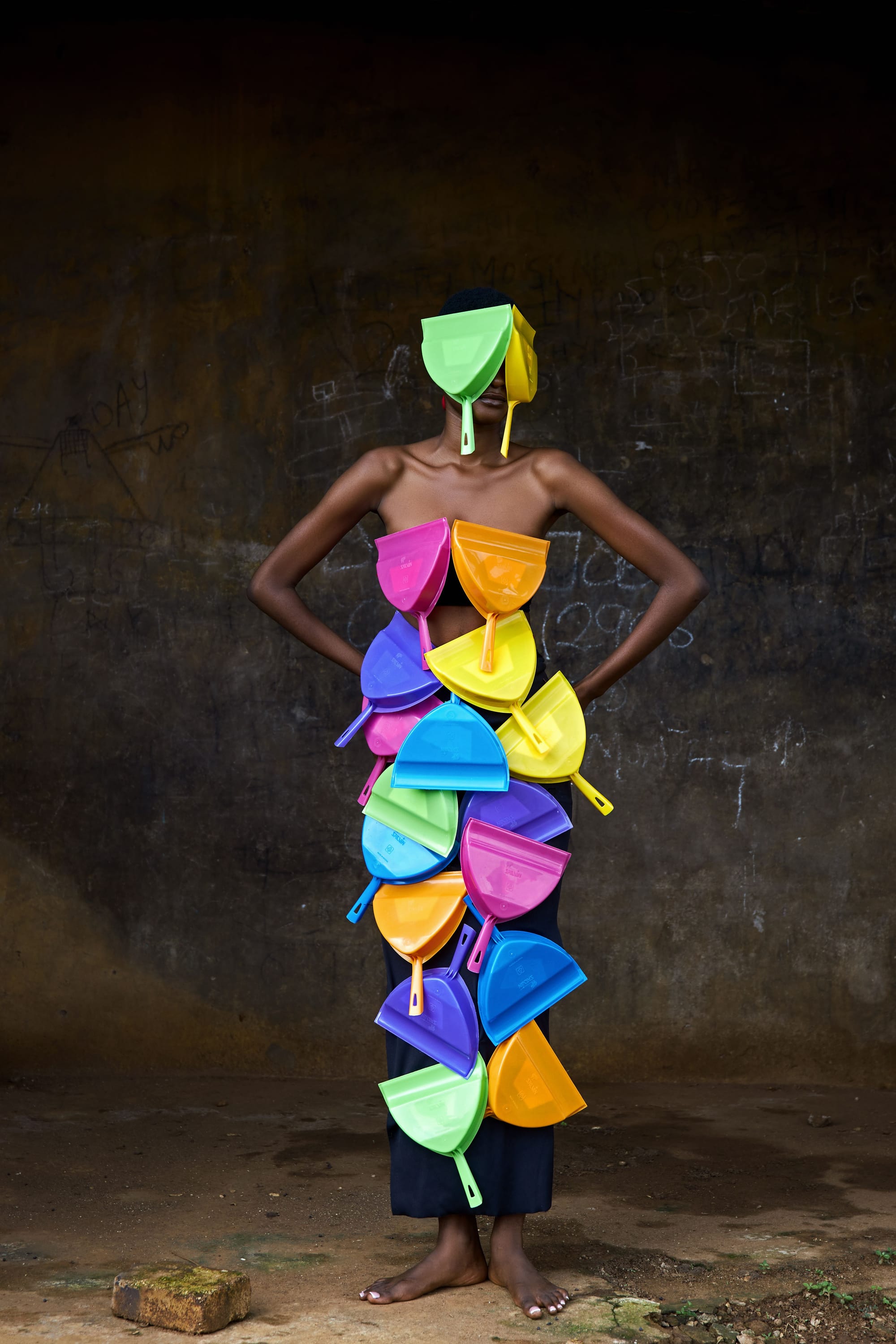
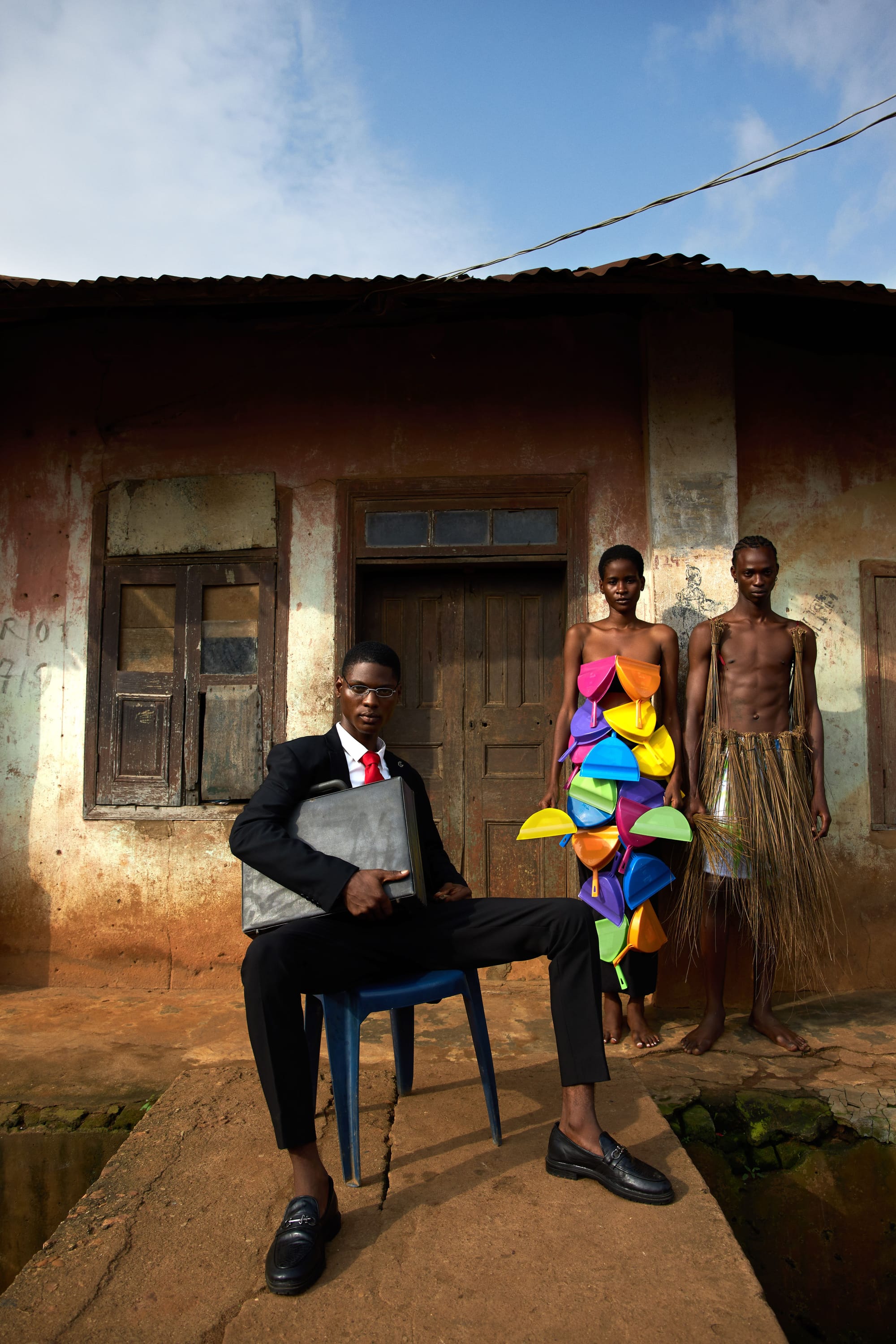
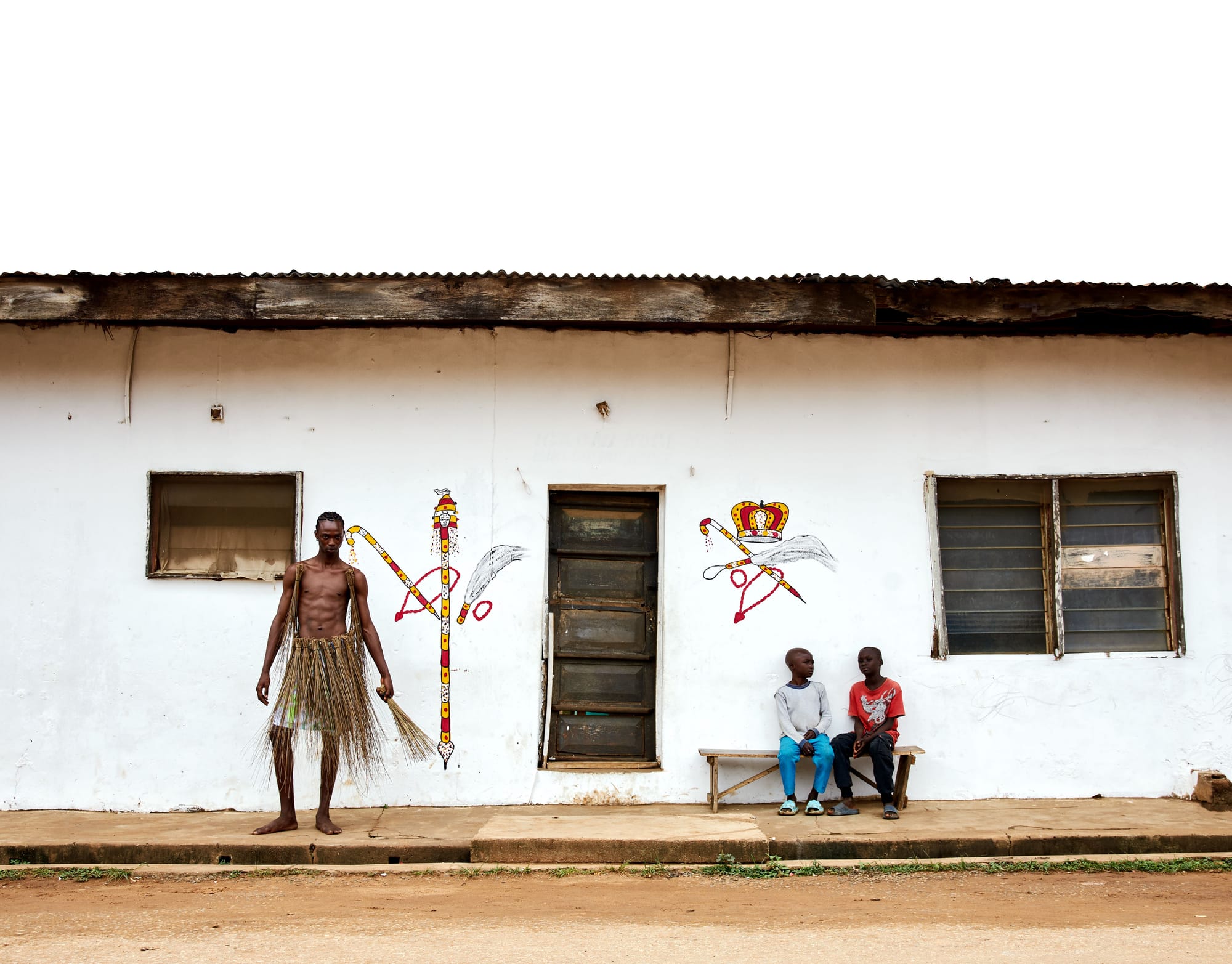
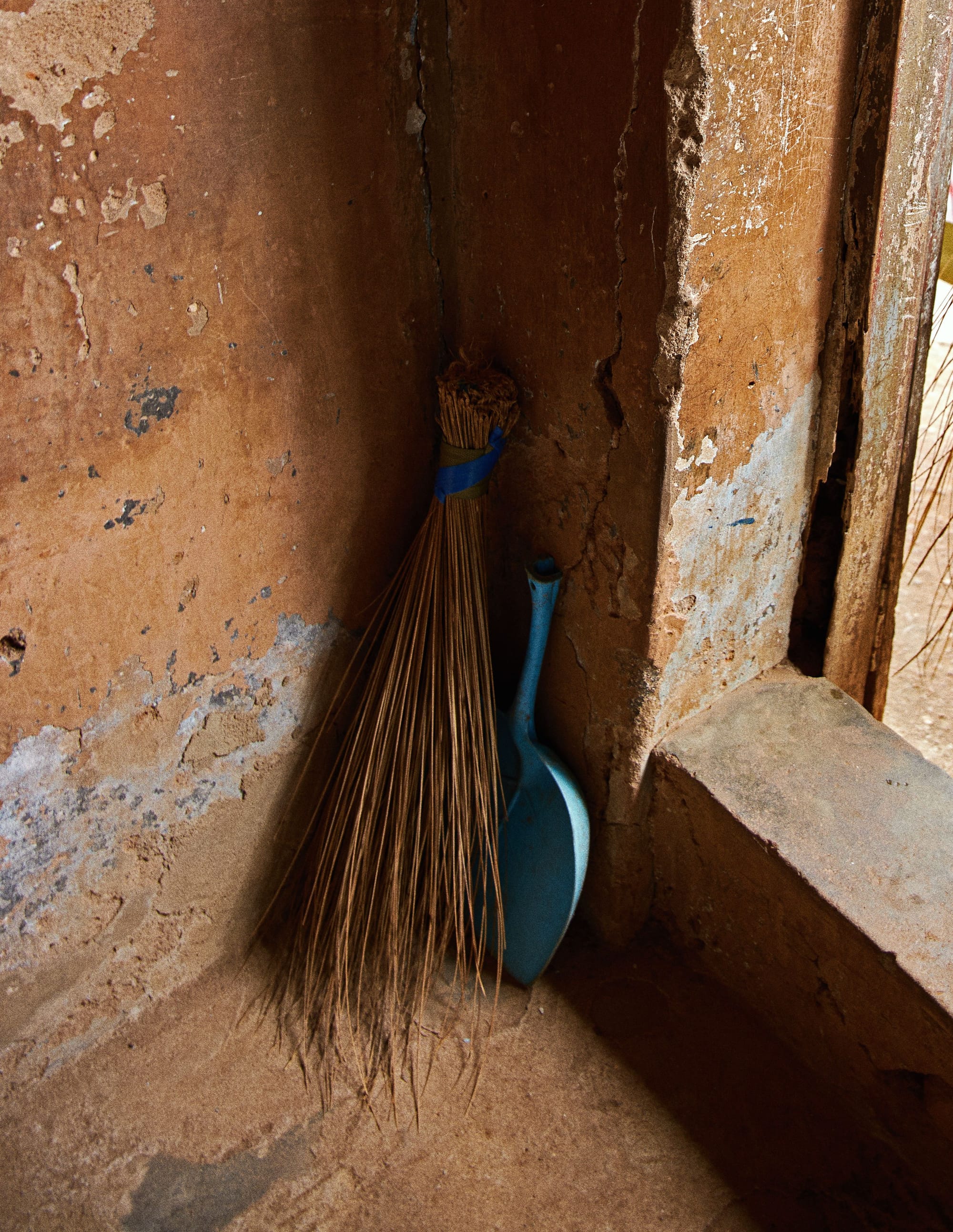
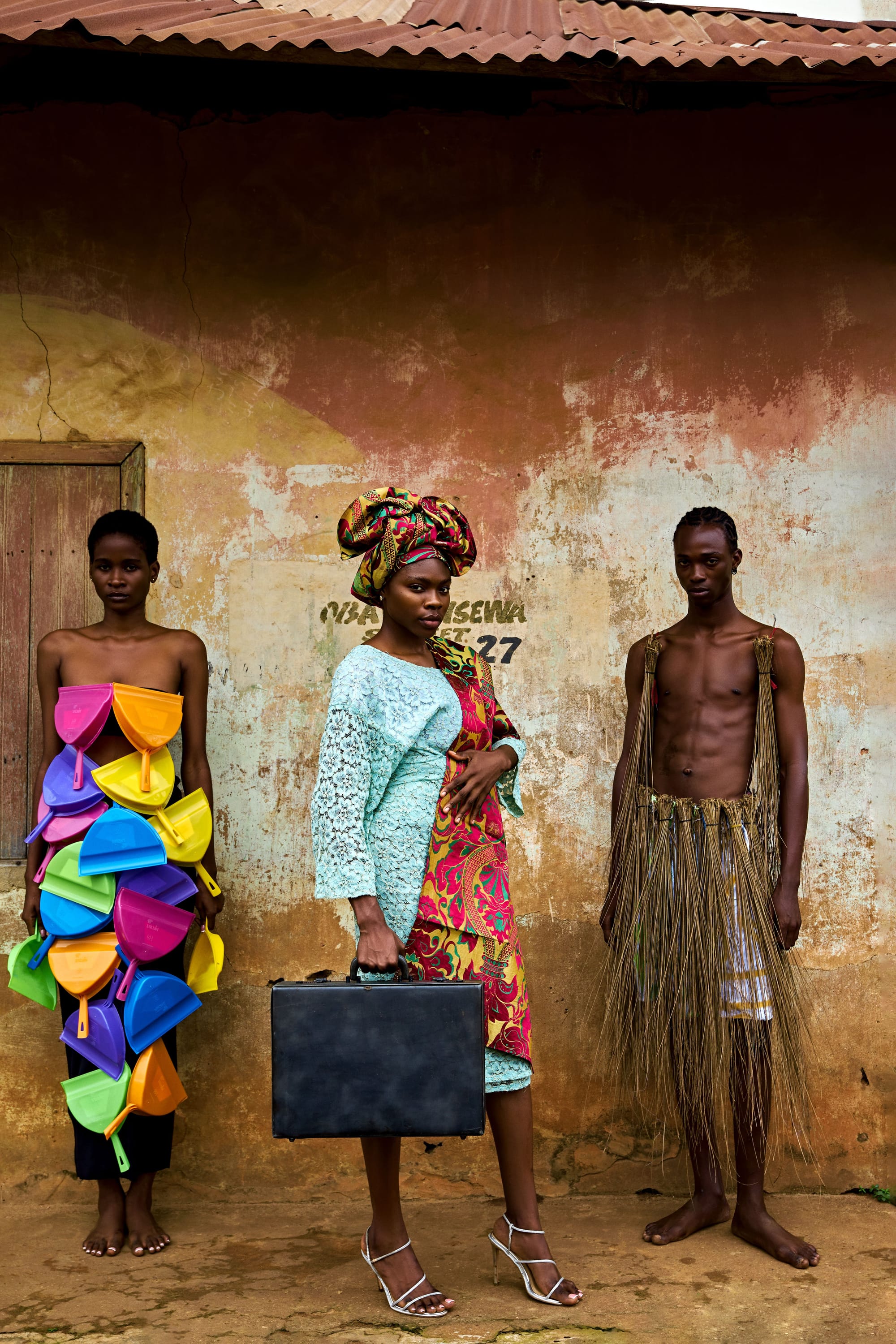
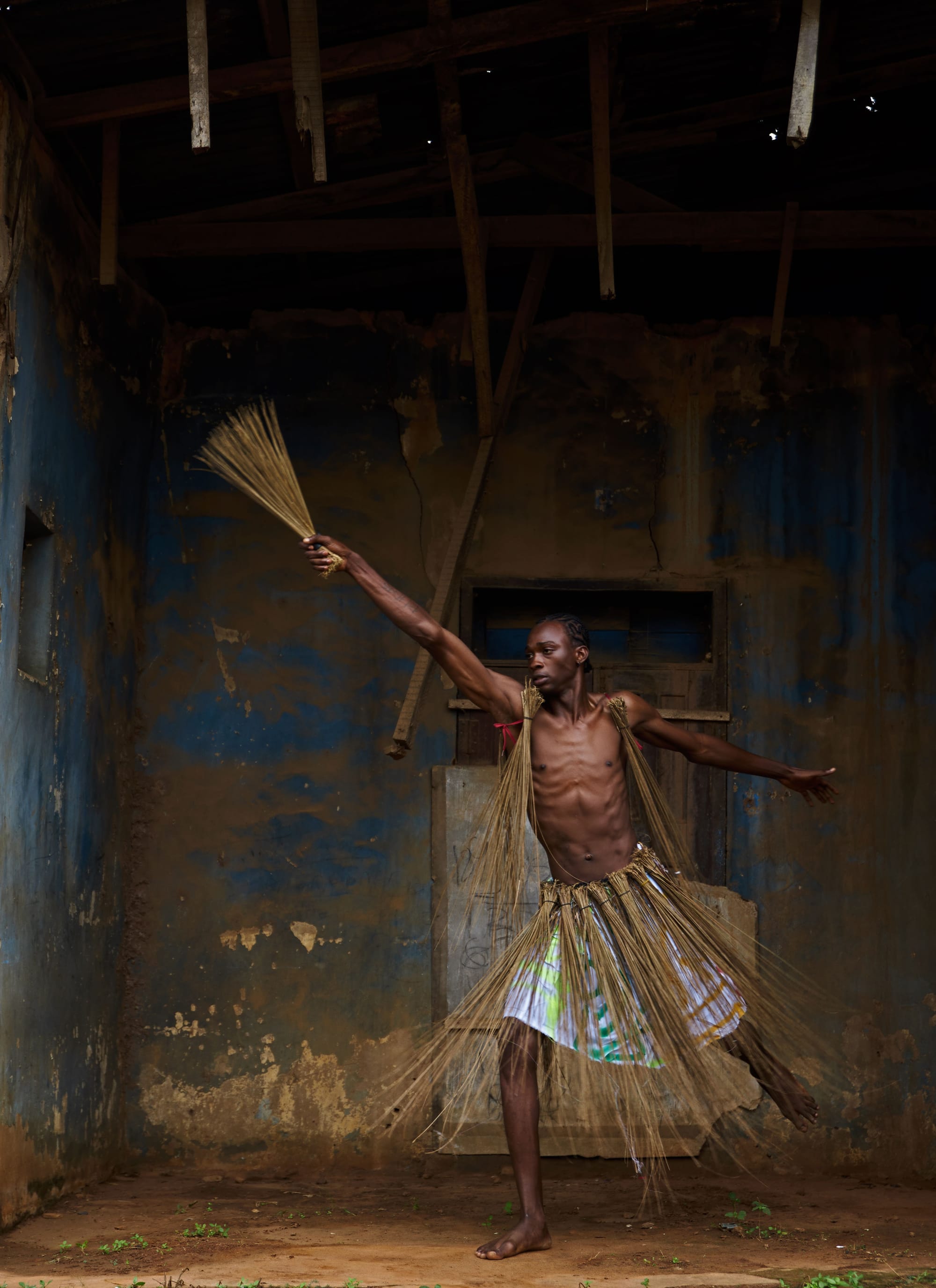
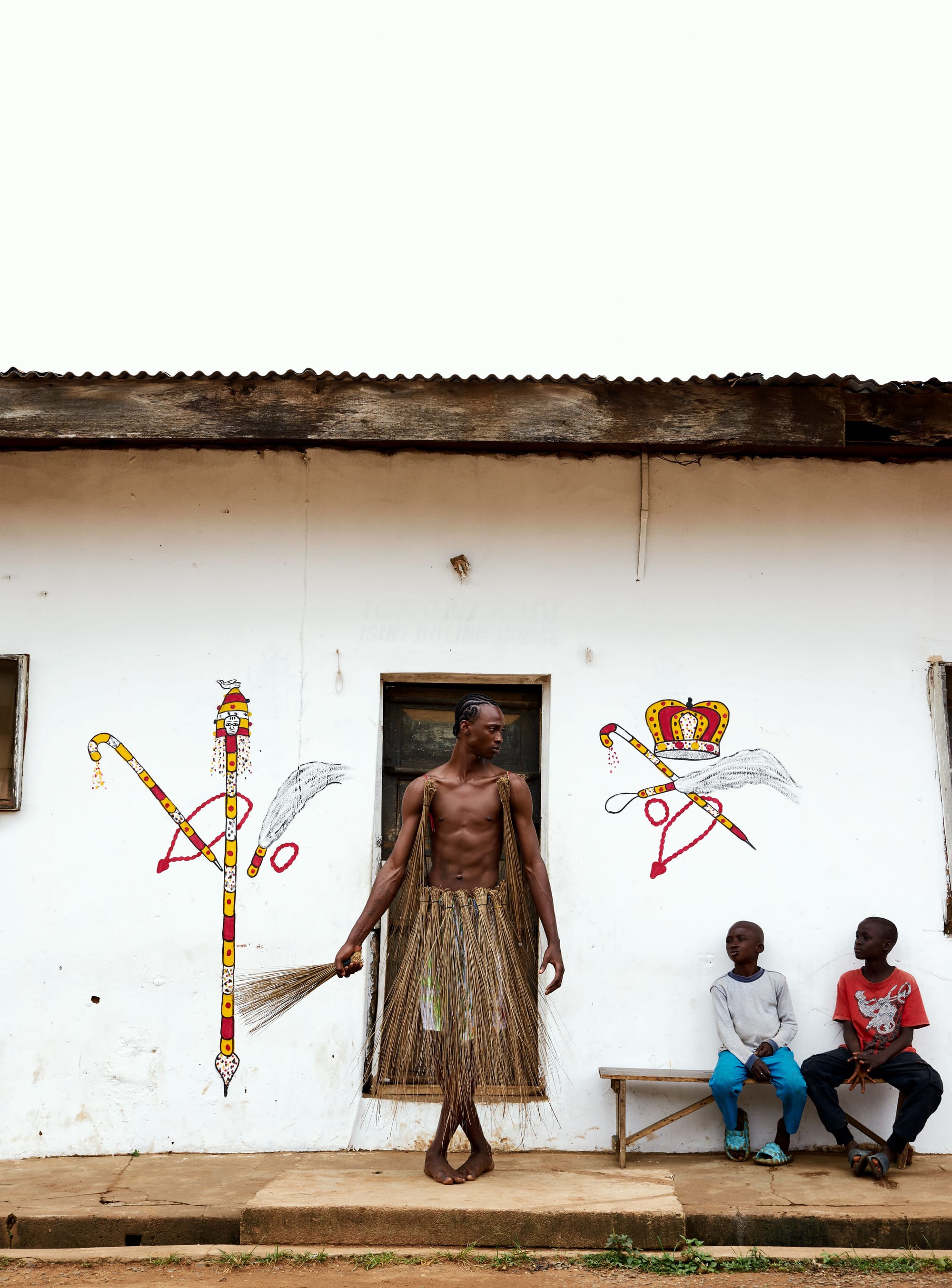
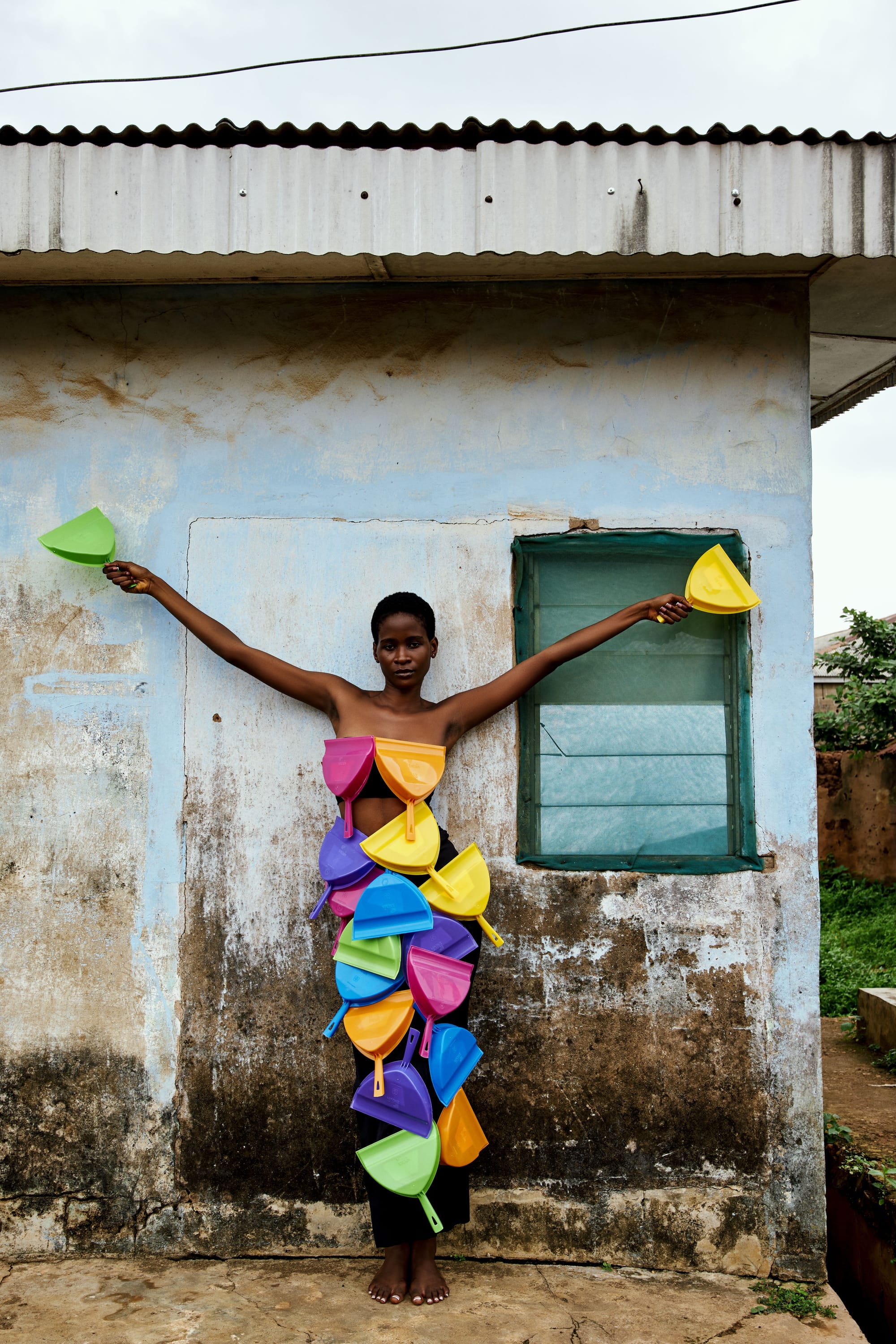
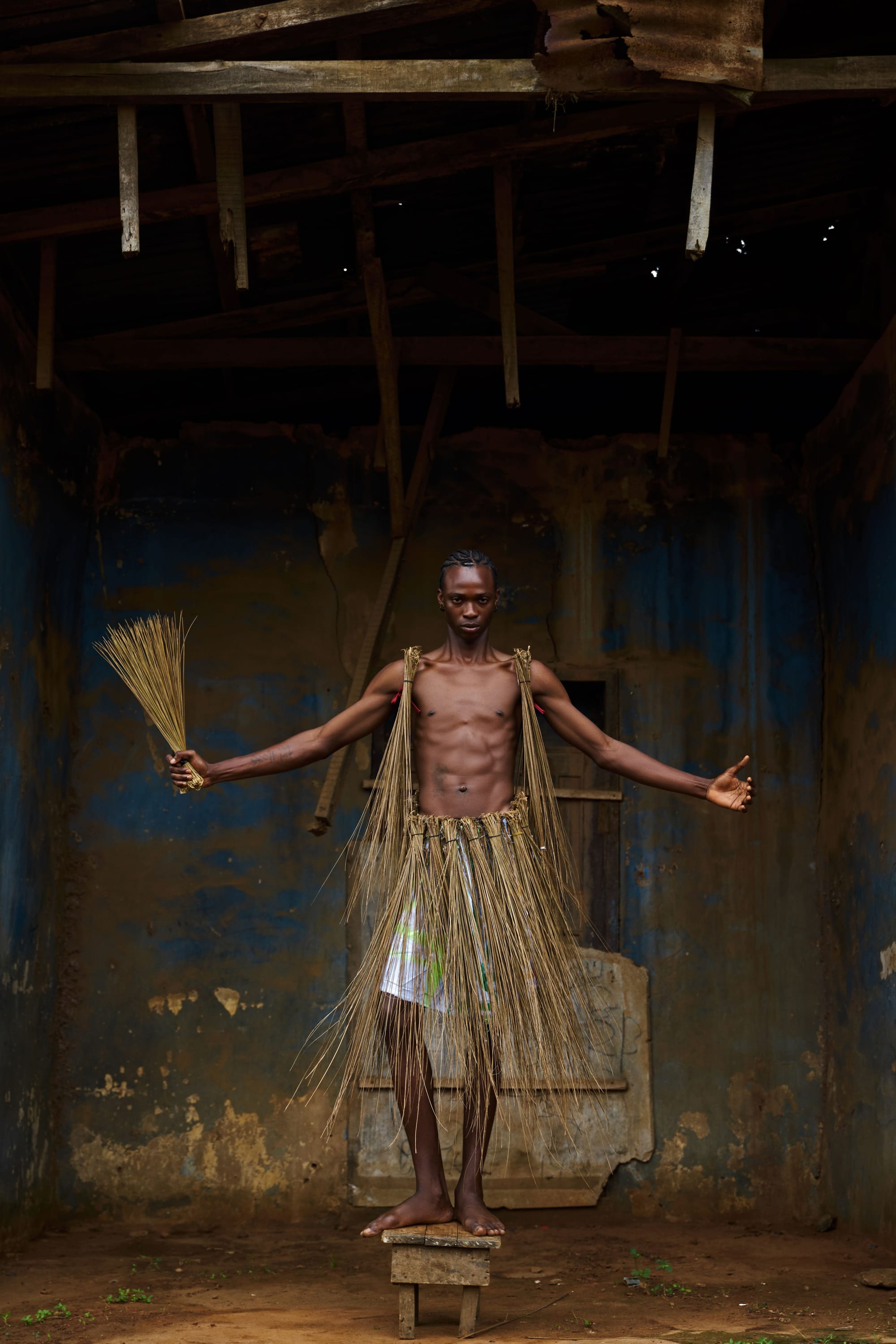
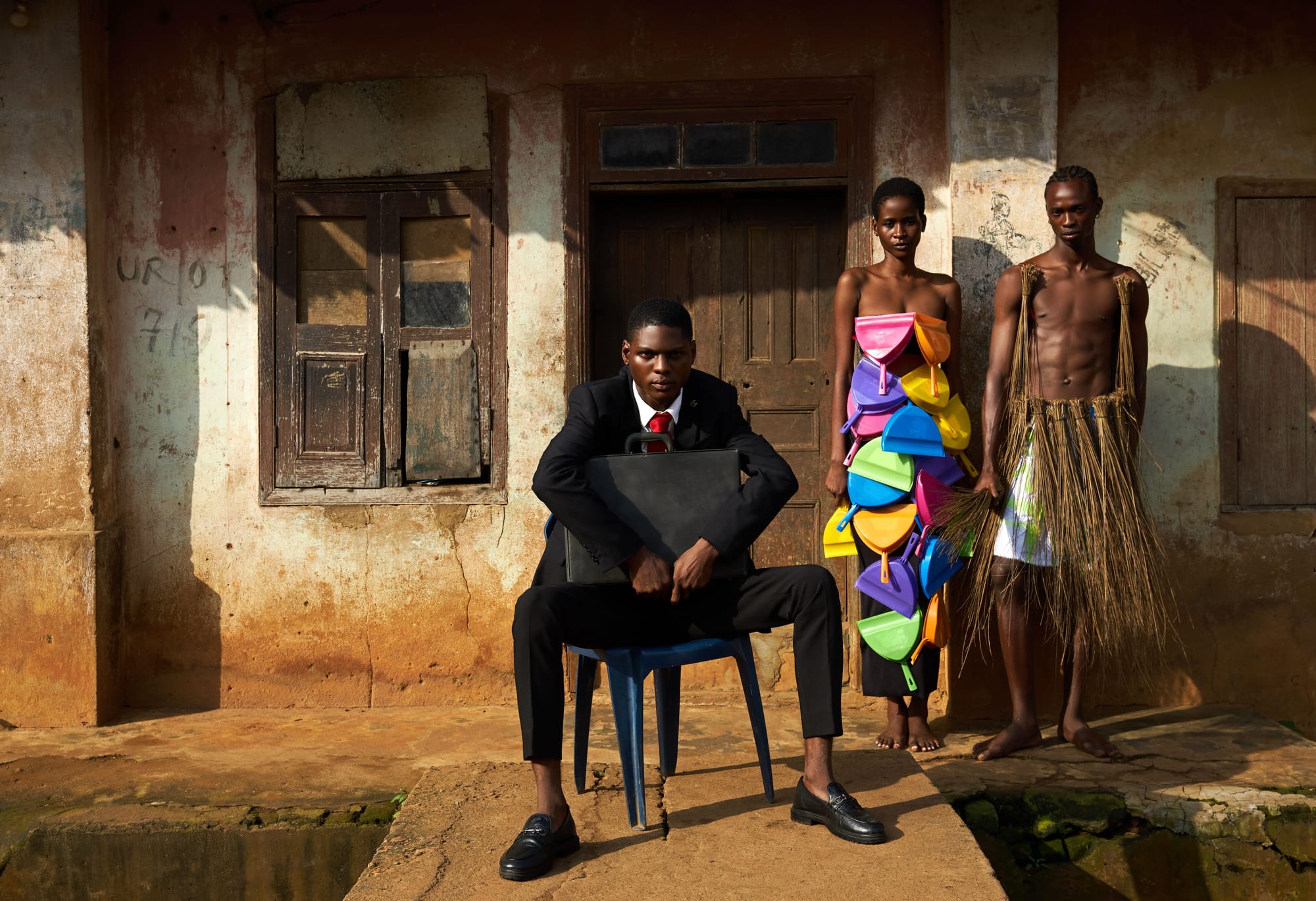
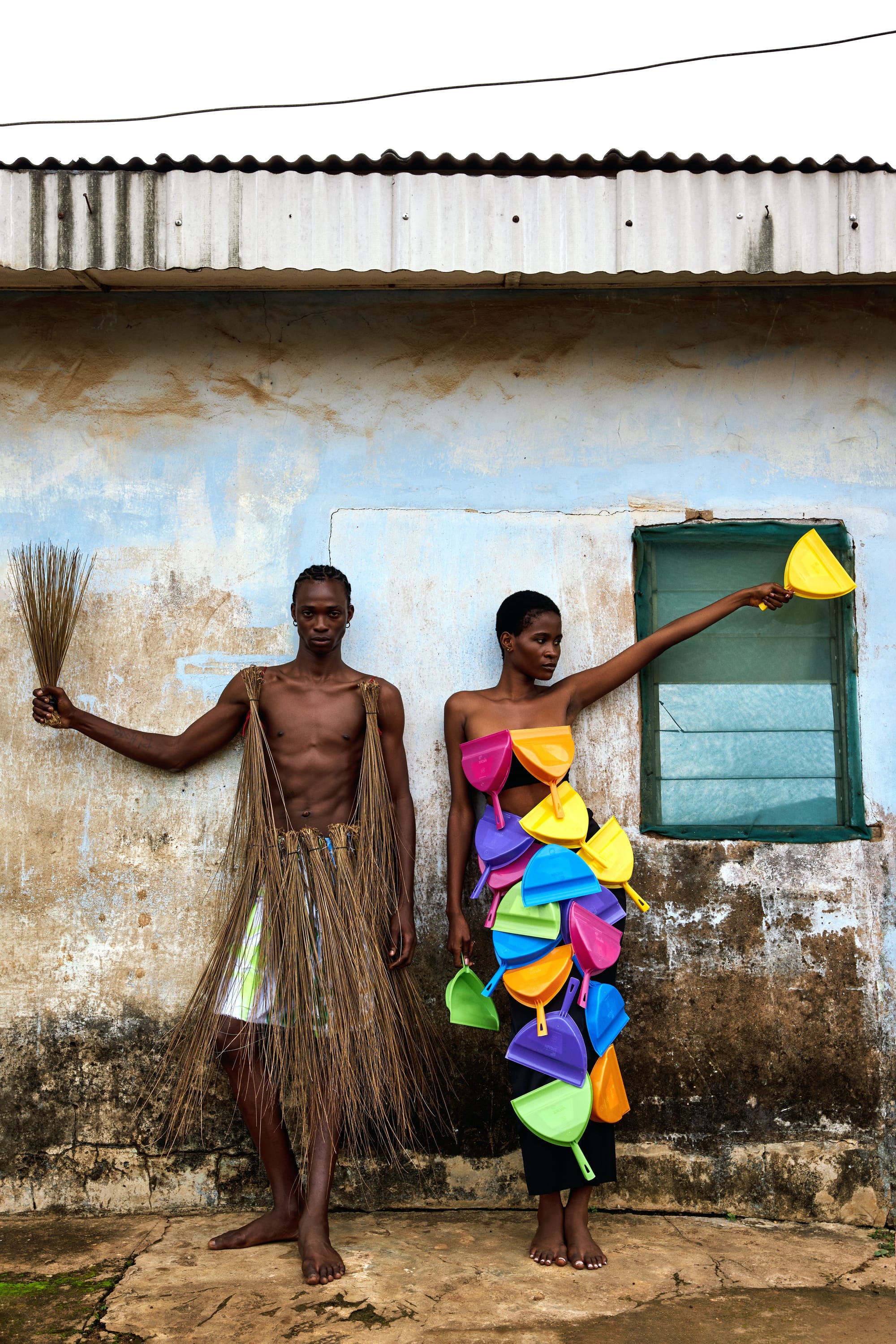
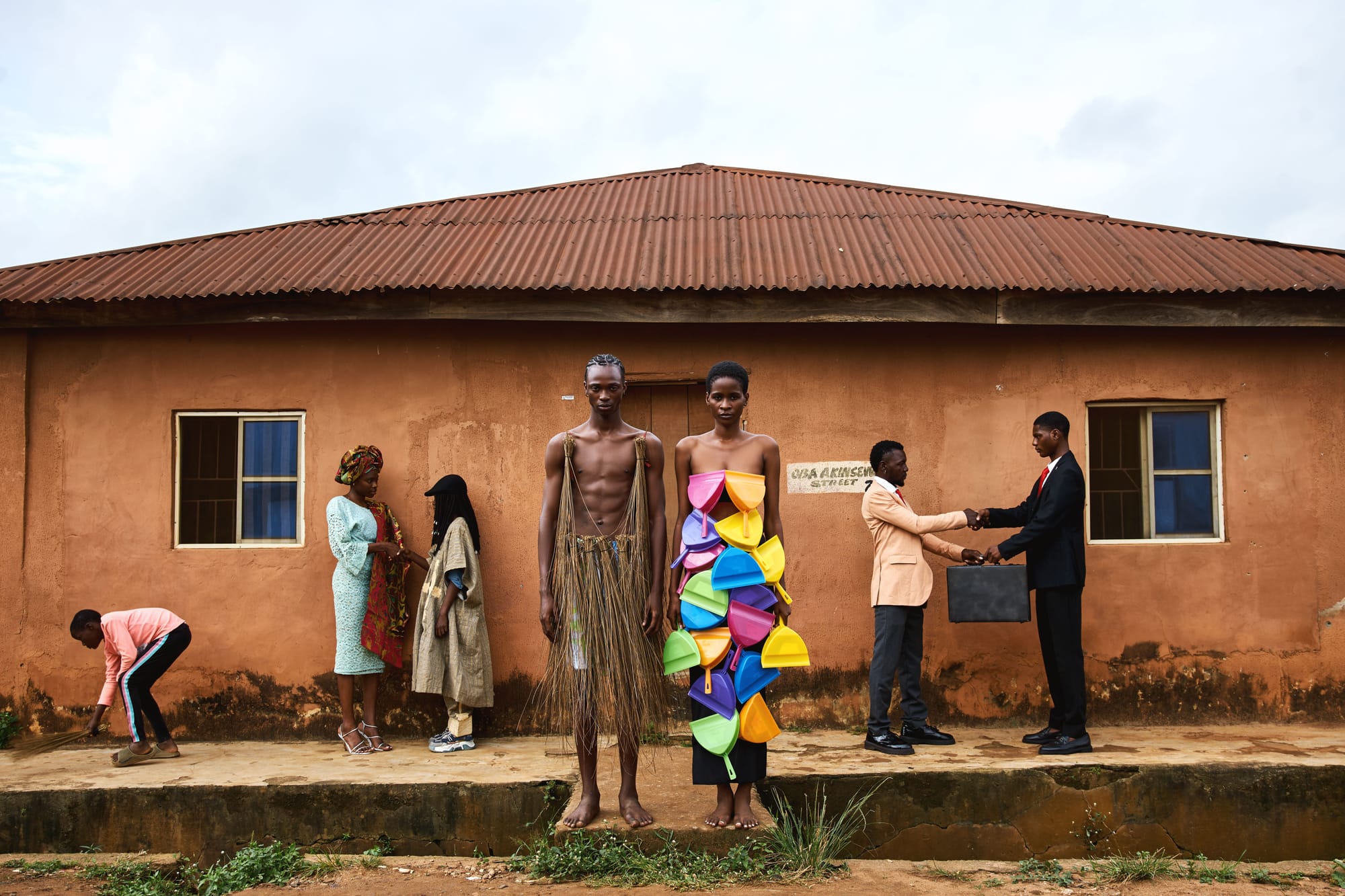
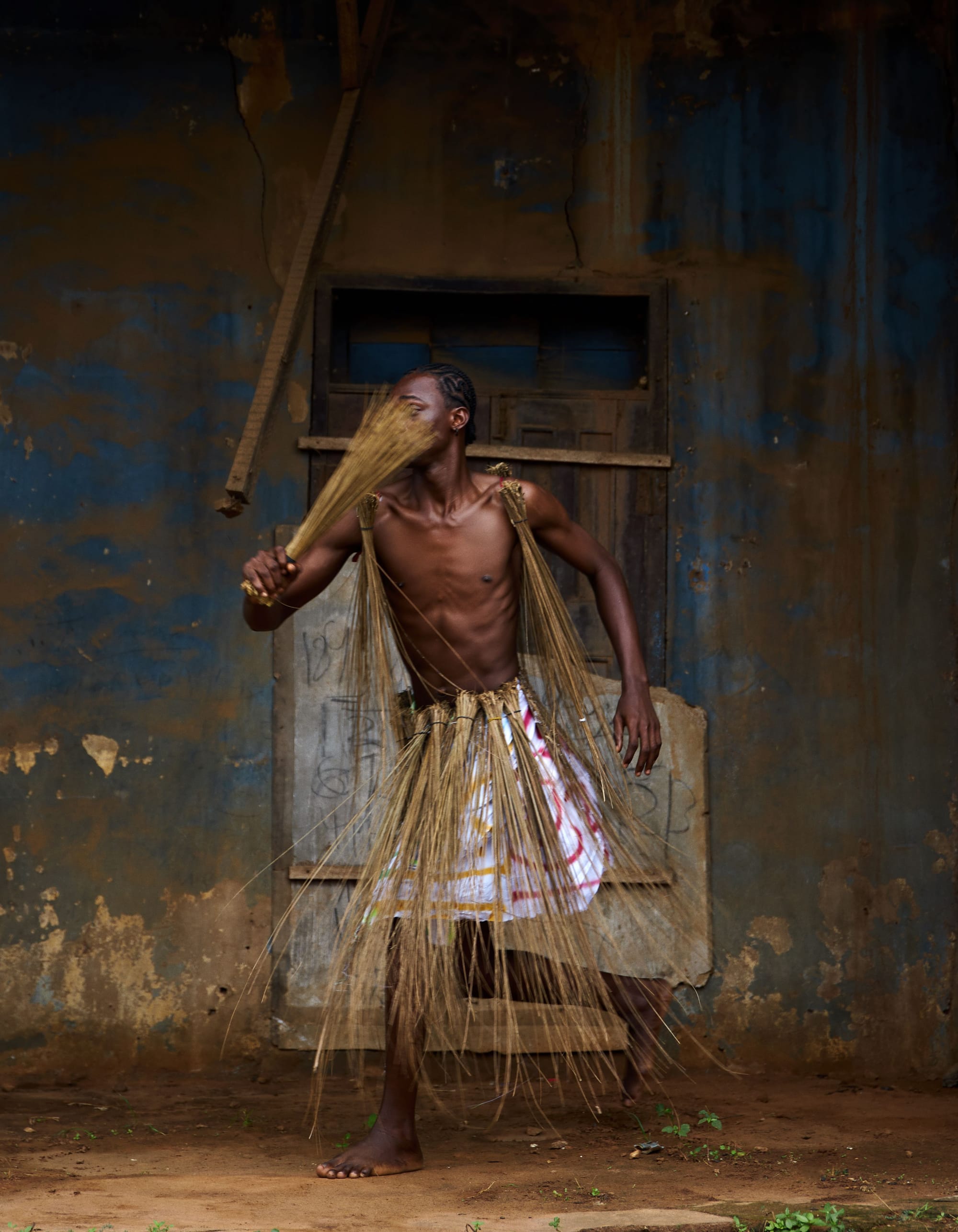
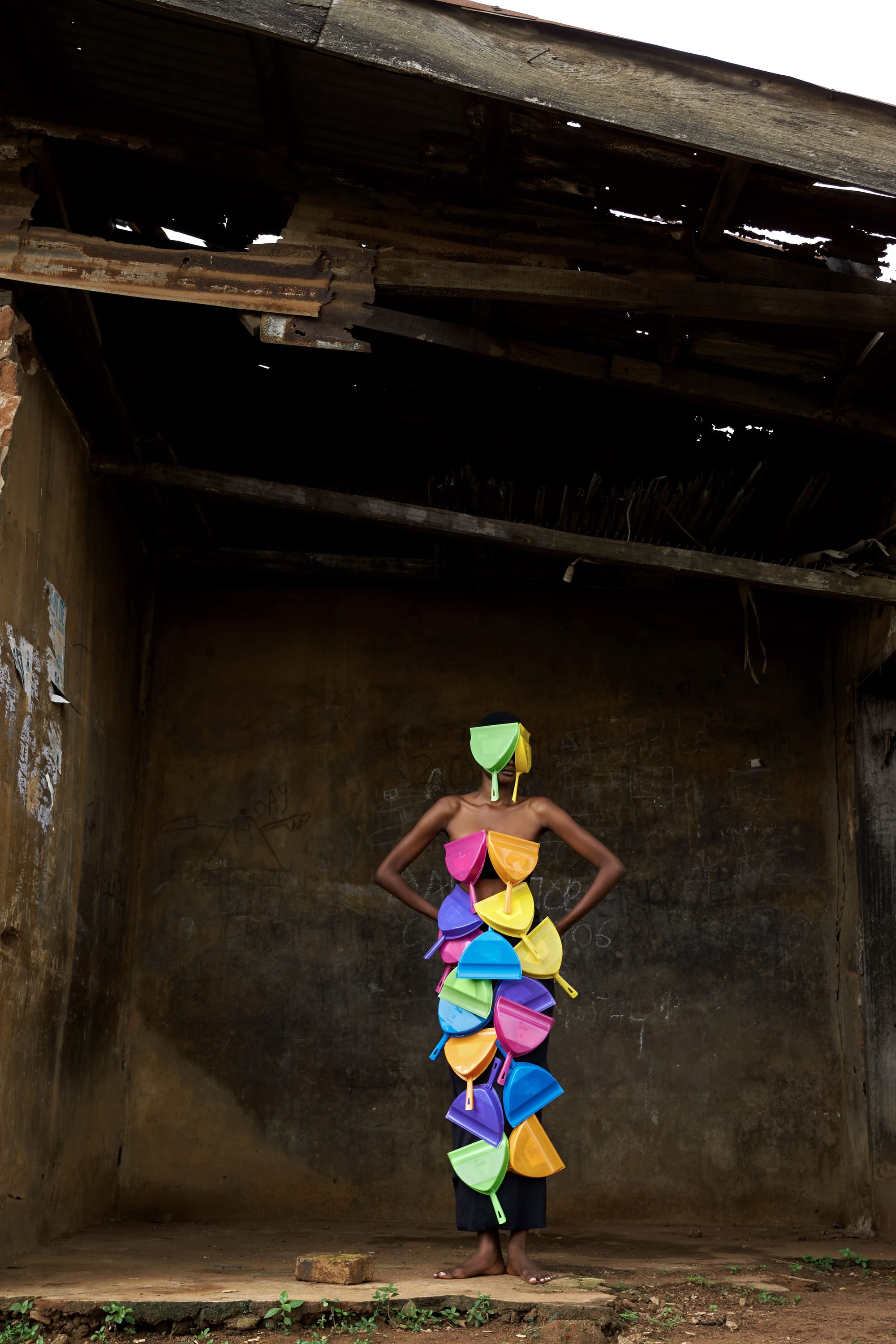
Cleansing Rituals is a photography series born from witnessing the environmental devastation and human consequences of oil exploitation in the Niger Delta. I was drawn to images and accounts of communities protesting the damage caused by oil extraction: polluted waterways, dying aquatic life, disappearing livelihoods, and people living with the consequences of an environment they depend upon for food, work, and survival. But the work grew beyond one place. For me, the Niger Delta became a point of departure for thinking about a wider cycle of environmental degradation, corruption, exploitation and political neglect across Africa. Cleansing Rituals asks what happens when the people entrusted with protecting land and communities instead become entangled in systems that allow those environments to be damaged. At the centre of the series are two ordinary African household objects: the broom and the dustpan. I transform them into larger-than-life figures; almost guardians or superheroes; carrying the possibility of cleansing and restoration. The broom becomes a symbol of action: the desire to sweep away what has accumulated, to restore order where disorder has been allowed to remain. The dustpan becomes a symbol of what is left behind, the burden of gathering the remnants of damage and carrying what others have discarded. Set within dilapidated buildings, the photographs place these figures inside environments that speak of abandonment and decay. The ruins are not simply backdrops; they become part of the language of the work. They suggest what happens when neglect becomes visible, physical and inherited. The presence of children is particularly important. They represent those who inherit the consequences of decisions made before them, children who should be looking towards a future, yet find themselves surrounded by the evidence of what has been neglected. Throughout the series, authority is deliberately complicated. The work does not locate responsibility solely within government. Political leaders, traditional authorities, community leaders, external interests and ordinary citizens can all participate in systems that allow corruption and exploitation to continue. The question therefore becomes larger than who is responsible? It becomes, Who will cleanse what has been left behind? The broom and dustpan become silent witnesses to this question. Cleansing Rituals is therefore not a documentary account of the Niger Delta, nor an attempt to illustrate one particular environmental crisis. It is a constructed photographic narrative that takes a real experience of environmental destruction and transforms it into allegory. The work speaks about polluted waters, damaged environments and lost livelihoods, but also about the structures and choices that allow such conditions to persist. It is about what corruption leaves behind. It is about what exploitation costs. And it is about the possibility of renewal. The broom has always been there. The dustpan has always been there. The question is whether we are willing to use them. Cleansing Rituals is an African story rooted in a specific reality, transformed through symbolism into a wider meditation on power, environmental destruction, responsibility and renewal.